
Kepma DAS™ Dynamic Action System
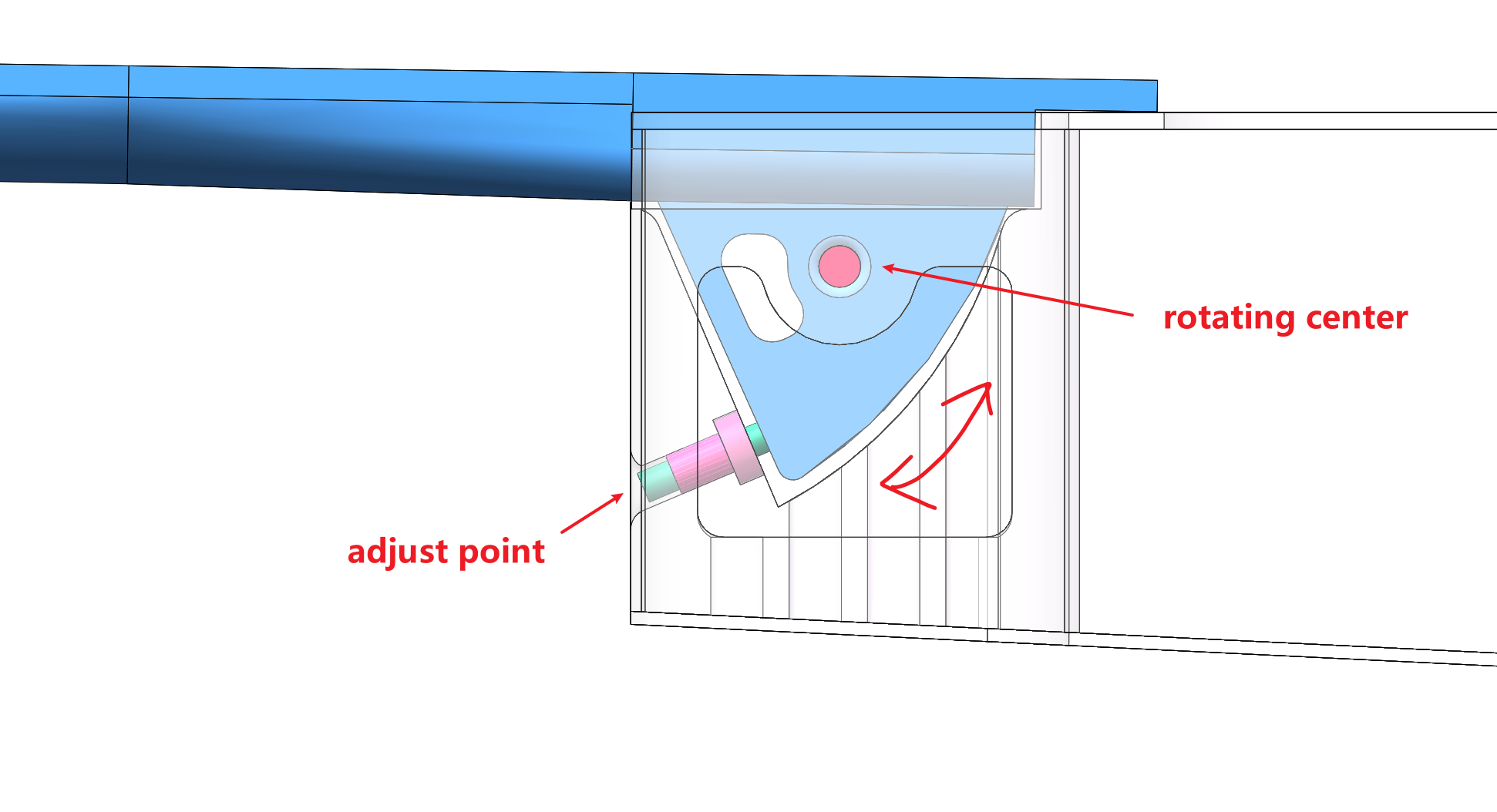
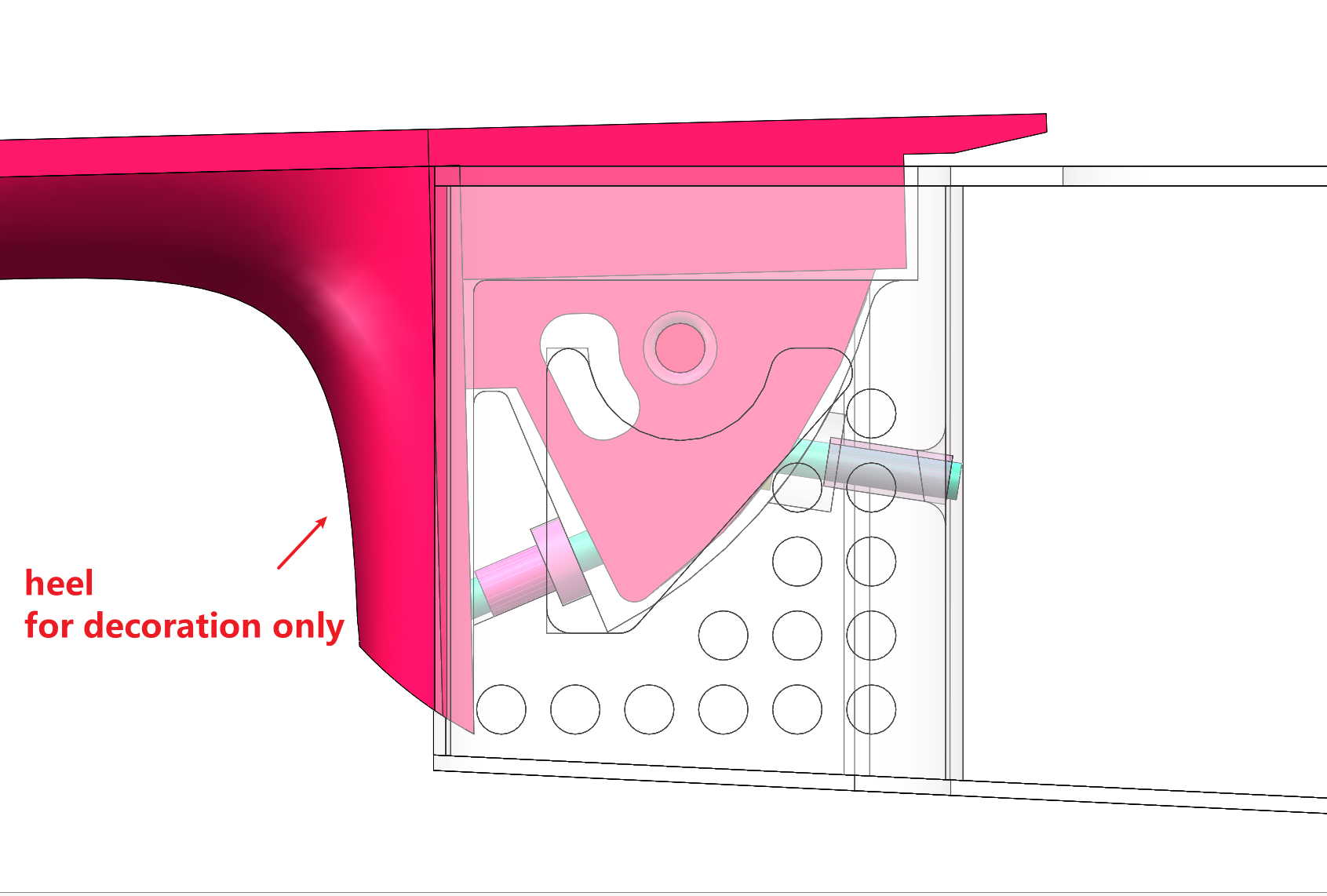
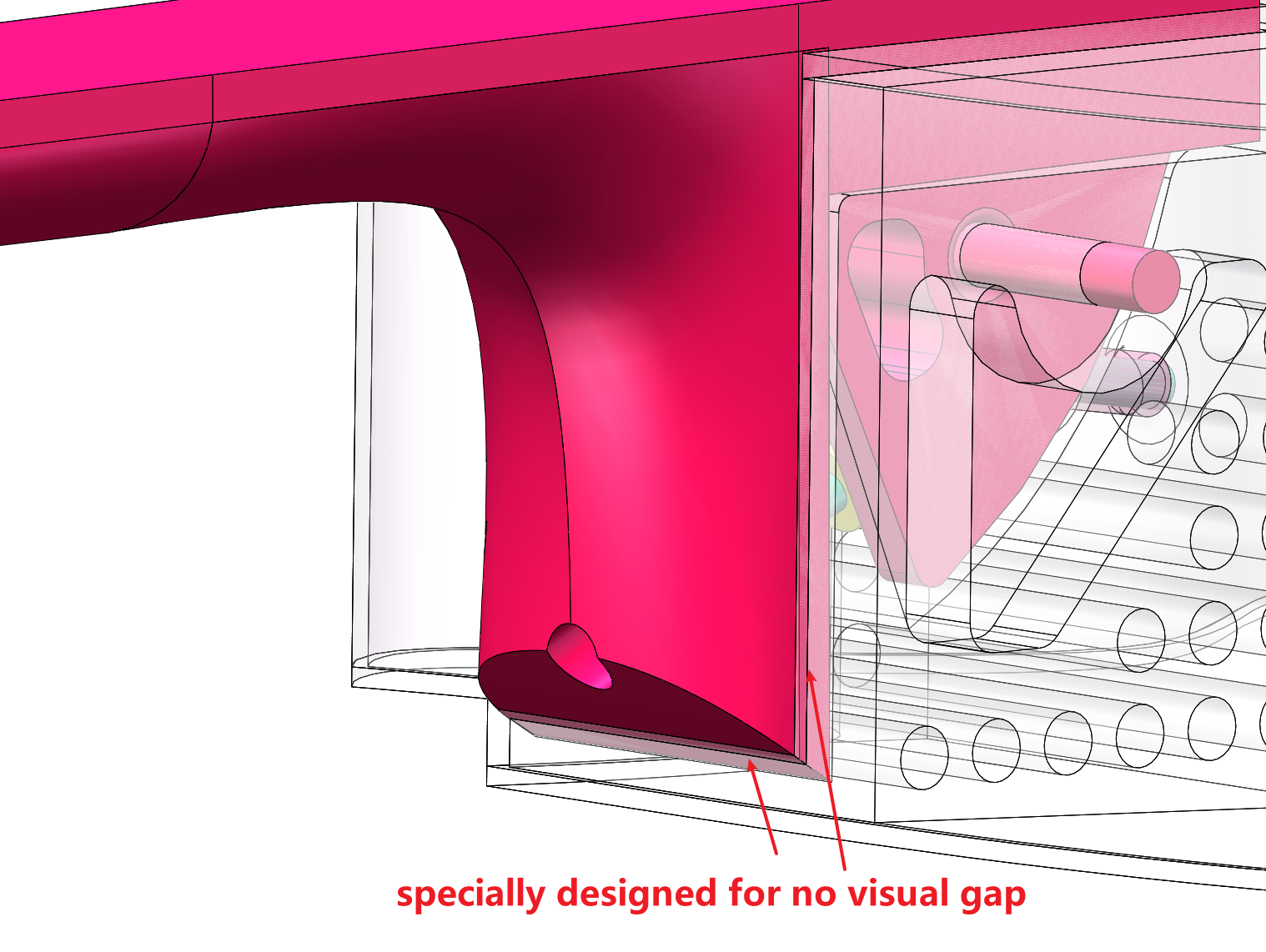
What if changing the neck angle of your acoustic guitar were as simple as making an adjustment yourself with the same traditional truss rod wrench you already know? Introducing Kepma’s DAS™ Dynamic Action System. DAS™ gives you direct control over neck angle—and with it, how your guitar plays and feels. You don’t have to remove the neck. You don’t have to add shims. And you don’t have to take it to a repair shop and pay someone else to interpret how you want your guitar to feel. YOU set it lower. YOU set it higher. Change it whenever your playing style or preferences change. For the first time, this level of acoustic-guitar setup is yours to control—and it’s incredibly easy to do.
[Images here are just placeholders until we can get the video from Kevin and I can edit it.]
Your Guitar. Your Action. Your Decision.
You know when a guitar feels right. The strings sit where you want them. Chords come easily. Notes respond the way your hands expect them to. Maybe you like an extremely low, fast action. Maybe you play with a heavier attack and want more room under the strings. Maybe your preferences change depending on what you're playing.
The problem is that on a traditional acoustic guitar, making a meaningful change to the neck angle has never really been considered a player adjustment.
Kepma DAS™ changes that.
The Dynamic Action System gives you direct control over the angle of the neck and, as a result, the playing action of your guitar. Instead of accepting the setup you were given—or taking the guitar to someone else when you want it changed—you can make the adjustment yourself.
Your guitar. Your hands. Your playing style. Your decision.
Neck Angle Adjustment Has Traditionally Been a Repair - not a DIY.
Changing string action slightly on an acoustic guitar isn't necessarily complicated. A technician can make routine adjustments to the saddle, nut or neck relief.
Changing the actual neck-to-body angle, however, is an entirely different matter.
On a traditionally constructed acoustic guitar with a glued-in neck, changing that angle can require removing the neck from the body, carefully releasing the glued joint, altering the mating surfaces or introducing corrective material, fitting the neck back to the body at the new angle, and then gluing everything together again.
That's not an adjustment most guitar players are going to make at home. It's a repair procedure, normally performed by an experienced guitar technician or luthier, and there is typically time and expense involved.
A conventional fixed bolt-on neck joint can make removing the neck considerably easier, but changing the neck angle still generally means loosening or removing the neck, adding or changing a shim, repositioning the neck and tightening everything back together. A mechanically inclined player may certainly be capable of doing that, but it still involves disassembling the neck joint. Most players are likely to hand the instrument to a qualified technician and pay to have the work done. That's the important distinction. DAS isn't simply another way to attach a neck.
DAS makes neck angle an adjustment.
Now the Adjustment Belongs to You
With the Kepma Dynamic Action System, the ability to change neck angle is designed into the guitar from the beginning.
You don't have to unglue anything. You don't have to remove the neck. You don't have to install a shim. You don't have to take the guitar apart and then put it back together hoping you've arrived at the angle you wanted.
You make the adjustment. Play the guitar. Decide how it feels.
And if you'd like it a little different, adjust it again.
That's what makes DAS personally relevant to the player. It takes something that has traditionally existed in the world of guitar repair and puts it directly into the hands of the person actually playing the instrument.
One Tool. Two Independent Adjustments.
[Picture of the truss rod tool here]
Kepma designed the system to make all of this practical for the player. The same wrench can be used to make conventional neck-relief adjustments and to operate the DAS neck-angle mechanism. The two systems remain independent, but you don't need a collection of specialized tools or shop equipment just to access them.
That's intentional. There is sophisticated engineering inside DAS, but you shouldn't need to be a guitar engineer to benefit from it. The technology is there so you can turn a wrench, play your guitar and decide what feels right.
Your Guitar Changes. So Do You.
Acoustic guitars live in the real world. Seasons change. Humidity changes. Strings change. Playing styles change. And the musician who owns an instrument for ten or twenty years may change quite a bit too.
Traditionally, a significant neck-angle change somewhere during that journey could mean a trip to the repair shop.
With DAS, the guitar has another option.
You can respond to the instrument. You can respond to your own changing preferences. And you can continue refining the relationship between the strings, the neck and your hands without treating every meaningful adjustment like a repair.
That's a major part of what Kepma believes DAS can change about acoustic-guitar ownership.
The Guitar Adjusts to You
There really isn't one universally correct acoustic-guitar action.
A fingerstyle player with a light touch may love an action that would drive an aggressive flatpicker crazy. A singer-songwriter playing quietly at home may have different needs from the same player performing onstage with a much heavier right hand. Change string gauge, change technique or simply change your personal preference and the setup you loved a year ago may not be the setup you want today.
With DAS, you aren't permanently married to one setup. Want the strings lower and faster? Adjust them. Want more room because you're digging into the guitar harder? Change the angle. Trying a different string gauge? Dial the guitar in again. Want to experiment just because you're curious about how another setup feels? Go ahead. The point isn't that Kepma has decided what the perfect action should be.
The point is that you get to decide.
Neck Relief and Neck Angle Are Not the Same Thing
This is also where DAS clears up one of the most misunderstood parts of guitar setup.
A guitar's truss rod controls neck relief—the very slight curvature of the neck that allows a vibrating string the room it needs to move properly.
Neck relief can influence how a guitar feels, so players sometimes use the truss rod as a way of changing overall string height. But that doesn't mean neck relief and neck angle are the same adjustment. They aren't.
DAS separates them.
Set the proper amount of neck relief with the truss rod. Then use the Dynamic Action System to set the neck-to-body angle and dial in the action you want.
Each system does the job it was designed to do, and one doesn't need to be deliberately misadjusted just to compensate for the other.
We think there's an easy way to remember it:
The truss rod sets the neck. DAS sets the action.
Set It. Play It. Decide.
One of the most important ideas behind DAS is that you don't need to know exactly what action measurement you want before you begin.
You can use your hands. Make an adjustment and play the guitar. Try some open chords. Move up the neck. Play lightly. Dig in. Bend a few strings. Play the way you actually play.
Too low for your technique? Move it. Want it a little faster? Adjust it again. Instead of handing the guitar to someone and describing what you hope it will feel like when you get it back, you're part of the process in real time.
You feel the result as you make the adjustment.
And that's an entirely different relationship with your instrument.
Technology Is Only Important When It Does Something for You.
Kepma spends an enormous amount of time on precision manufacturing, material science, neck stability, PLEK® optimization and modern acoustic-guitar engineering. But none of that matters simply because the technology sounds impressive. It matters when you pick up the guitar.
DAS takes a sophisticated engineering problem—the relationship between neck angle, string height and playability—and makes the result personally useful. You don't have to understand every detail of the mechanism. You just have to know how you want your guitar to feel.
Then you can set it that way.